Independent lab results, 2025–2026

Before you buy it,
see what's actually in it.

Three independent test rounds have named hair products by name — Consumer Reports twice, the Silent Spring Institute once. Almost none came back clean — and the ones sold as “raw” and “virgin” did worst of all.

29 of 30products contained lead
41 of 43contained hazardous chemicals
0were clean on every measure
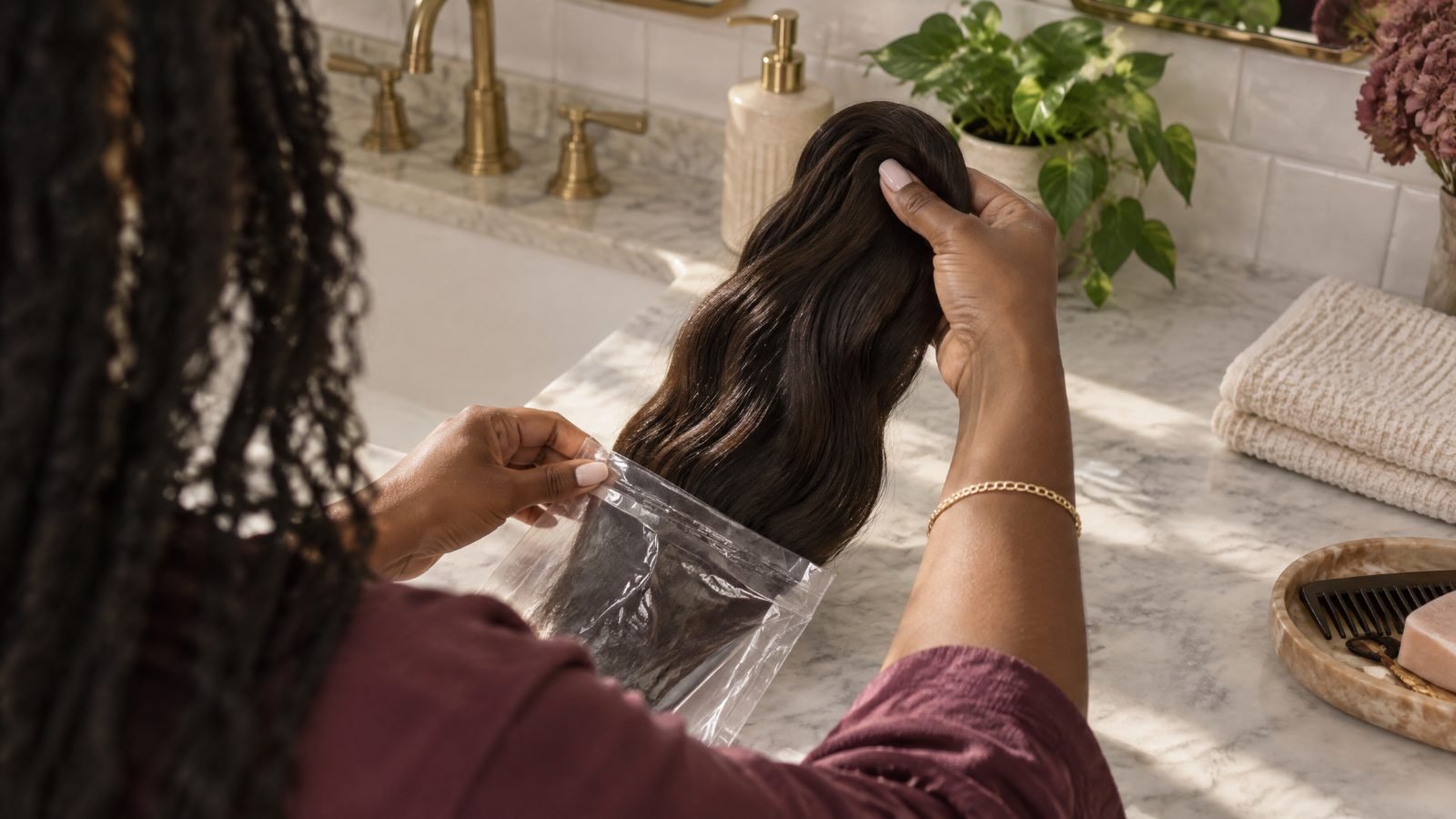
A woman lifts a length of dark wavy hair extension out of a plain unmarked sleeve on a bathroom vanity in morning light.

Look up a product

Search every product Consumer Reports named in February 2025 and February 2026, and every product the Silent Spring Institute named in its published table. Type a brand, a product, or just what you usually buy — if it was never tested, this still tells you what the brand’s other products did.

Try:
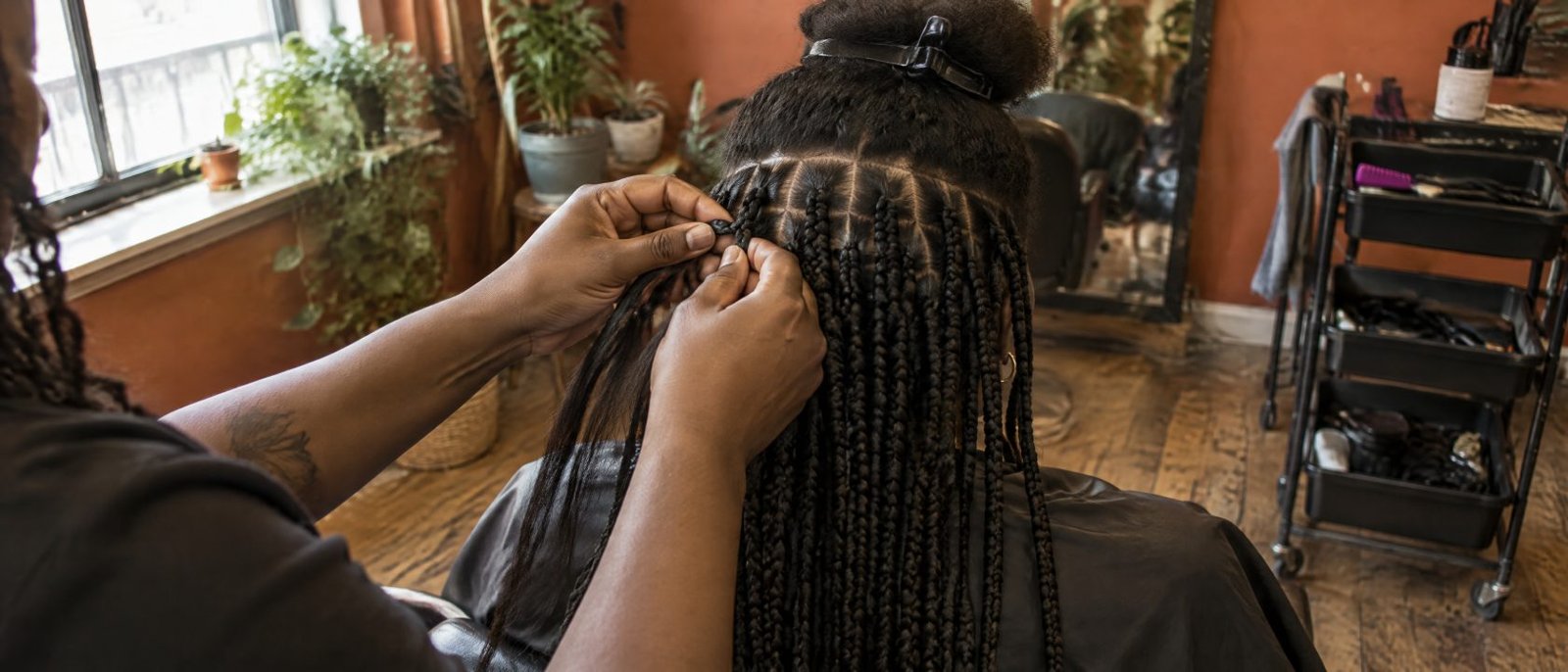
A braider's hands finishing a row of knotless braids close to a client's scalp in a daylit salon chair.

What it really costs

The sticker price is the small part. Install and reinstall are most of what you spend — and a wig you never reinstall still costs money to keep.

Cost per wear
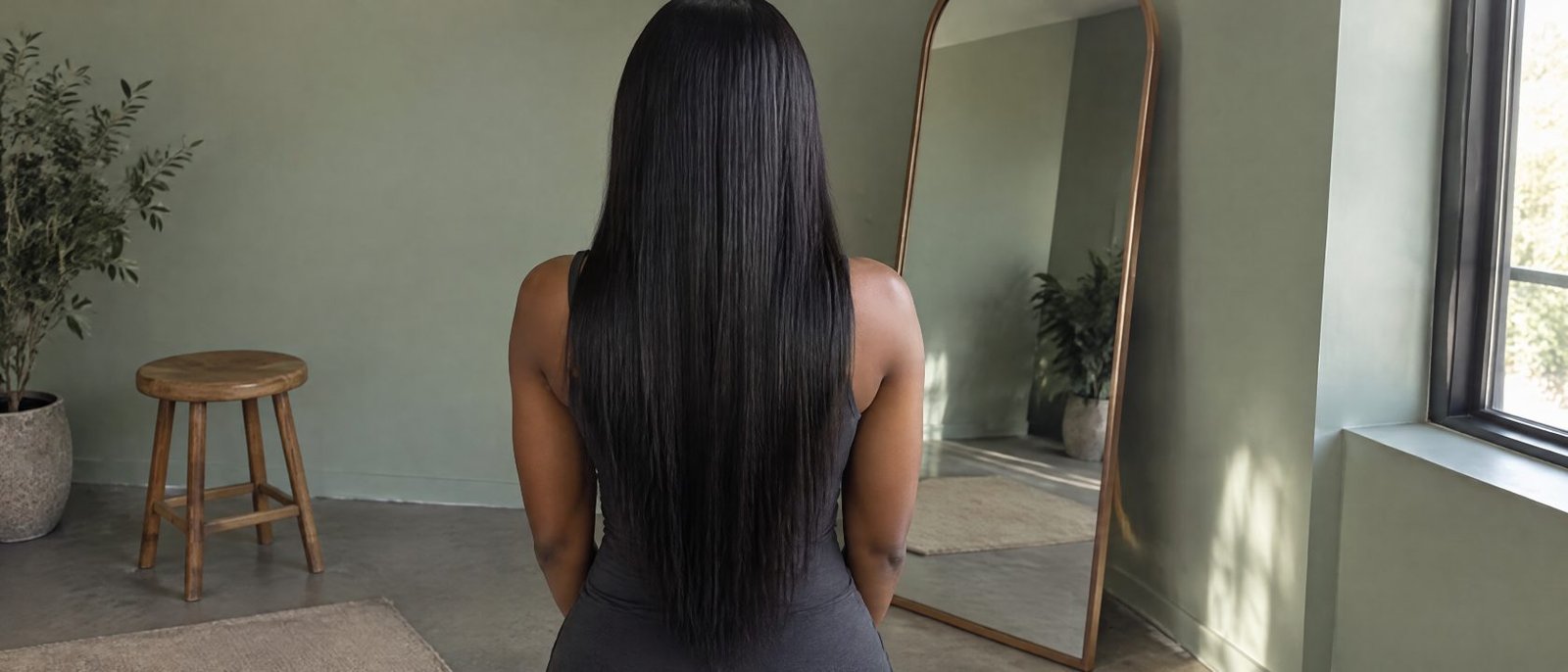
The back of a woman standing at a full-length mirror, straight extensions falling past her shoulder blades toward her waist.

Where that length actually lands

Hair is measured stretched. The curlier it is, the shorter it looks — often by a third.

Length & texture

What the label is actually telling you

One of these terms describes something real. The rest are sales language, and the price difference between them can be several hundred dollars.

The claimWhat it meansCan you check it?
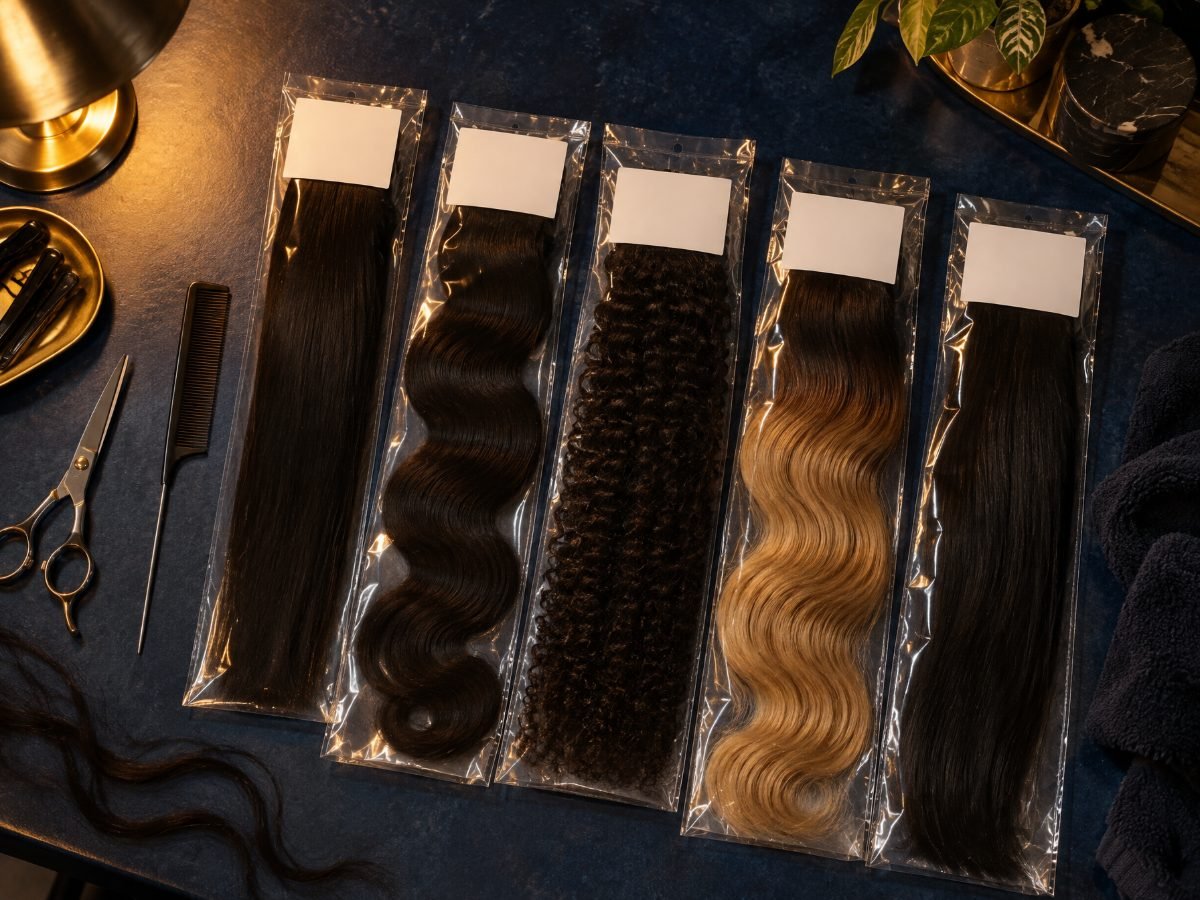
Five packs of hair extensions laid in a row on a dark counter, every label panel blank.
There used to be a rule. It was deleted.

The FTC's Wig Guides once defined “virgin” hair and required sellers to disclose whether a product was human, artificial or a blend. The Commission rescinded them in 1995, saying it was not aware of any unique consumer protection issues in this market. The American Hair Loss Council had asked them to keep and strengthen the rules.

So when a seller tells you their hair is 12A raw virgin single-donor, no agency is checking, and no standards body defines any of those words.

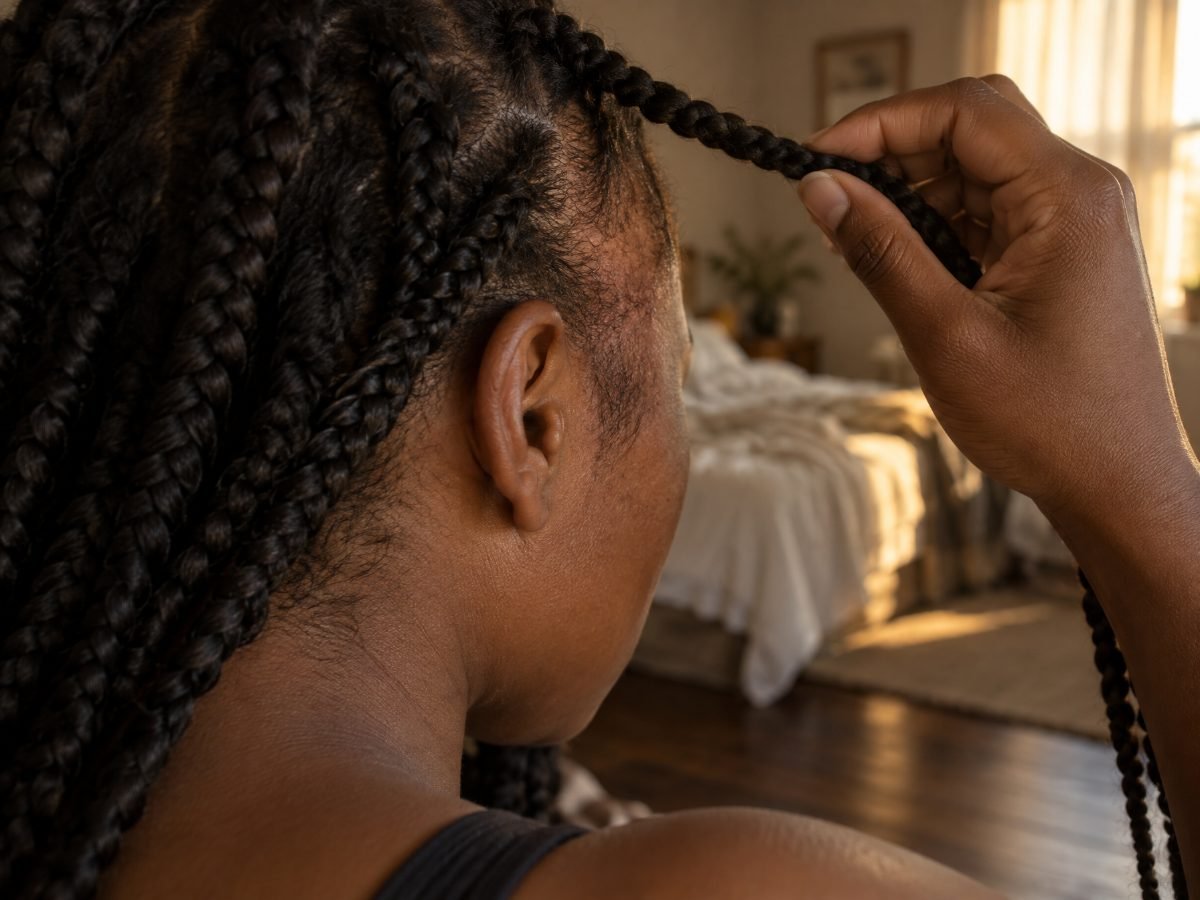
A woman lifts a braid away from her hairline, where the baby hairs at the temple are visibly sparse.
One thing worth knowing about how long you wear it

The American Academy of Dermatology advises keeping protective styles to six to eight weeks and taking a break between installs. Traction alopecia — hair loss from sustained pulling — affects roughly a third of women of African descent, and once it scars, it does not grow back.

Nearly every salon reinstall schedule runs continuously, with no break built in. That is a business rhythm, not a medical one. If your edges are sore, tender or thinning, that is the signal to stop, not to tighten.

So what should you use?

The honest answer is uncomfortable, and it is the reason this section exists at all rather than being a shopping list.

There is no certified-clean braiding hair. Not one brand.

Not a single product independently tested in 2025 or 2026 came back clean on every measure. No braiding hair sold in the US carries a certification you can look up in a public registry — not one. So this page has no safe list. It has a less-bad list, and the receipts behind it.

We do not describe anything here as clean, non-toxic, chemical-free or safe. Everything is made of chemicals, including water. The question is which ones, at what level, and whether anyone outside the company has checked.

What the brands say, and what the labs found

Four brands market themselves on being the cleaner option. Each claim below is quoted from the brand's own site and set against the published independent result for that same product. None of these is an affiliate link. We do not earn anything from this table, which is rather the point.

Where certification actually exists

These are affiliate links, and here is what that means.

If you buy through the links in this block we may earn a commission. Nothing above this line is an affiliate link, and no braiding hair on this site is. We only link products whose certification you can verify yourself in a public registry — which is why the list is short and why it contains no braiding hair at all.

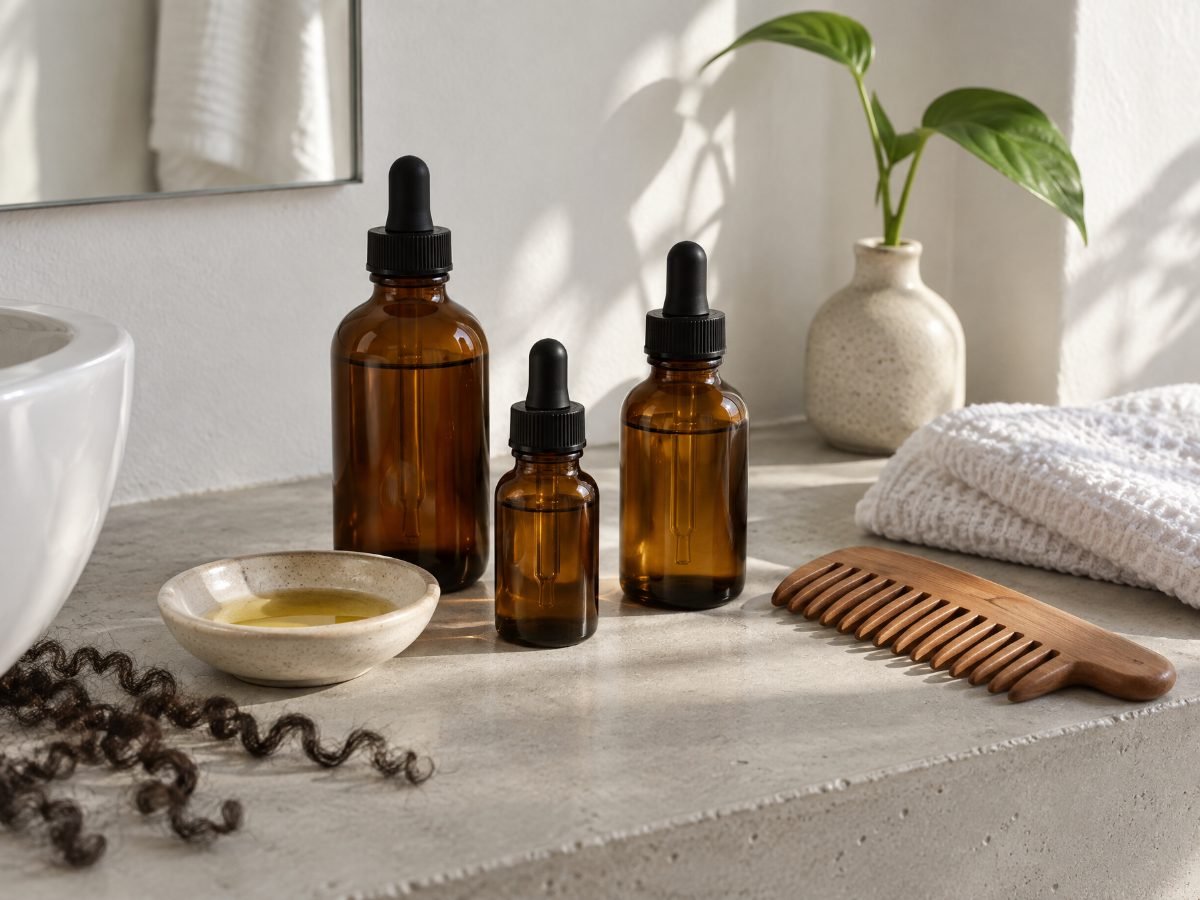
Three plain amber dropper bottles, a dish of oil and a wide-tooth comb on a concrete bathroom shelf.
A certified oil does not offset a contaminated braid.

If the fibre against your scalp is shedding solvents, a certified serum does not neutralise it. These are worth using; they are not a fix for what the lookup above found.

Almost none of the certified-clean market is formulated for braids or for Black hair. That is a real gap, honestly stated, rather than one we are going to paper over.